Define the business activity and location
Describe exactly what the business will do and where it will operate, including home-based, online, mobile, and customer-facing activities.
Independent resource: USLicenseInfo is not a government agency and does not issue licenses or permits. We organize licensing information for research; the responsible government agency is the final authority for current requirements.
Read disclaimerFind the state, local, tax, and industry-specific licenses or permits that may apply to your business and location.

There is no single nationwide business license that covers every company. What you need depends on the activity, business structure, location, employees, sales, and regulated products or services. State registration is only one part of the picture.
Describe exactly what the business will do and where it will operate, including home-based, online, mobile, and customer-facing activities.
Entity formation, assumed-name registration, tax accounts, professional licenses, zoning approval, health permits, and local business licenses serve different purposes and may come from different agencies.
Depending on the business, you may need sales tax registration, payroll accounts, unemployment insurance, workers’ compensation, or industry-specific filings.
Permits may expire or require renewal, inspections, address updates, or changes when ownership, services, premises, or capacity changes.
Budget for entity filing, local permits, tax registrations where applicable, inspections, professional or industry licensing, and renewals. Some fees are one-time while others recur; ask each responsible agency for its current fee schedule.
A license issued by one city, county, or state may not cover operations elsewhere. Expanding locations or selling regulated products in new jurisdictions can trigger additional registration, tax, zoning, or professional requirements.
No. Forming an LLC creates a legal entity under state law; it does not automatically satisfy local operating permits, tax registrations, or industry licensing.
Possibly. Requirements can depend on the owner’s location, inventory, employees, products, customers, and tax obligations.
Start with state business portals and city or county licensing offices, then check the regulator for any industry-specific activity.
Requirements and responsible agencies can differ. Select a state to open its licensing hub, then follow the relevant guide and official source.
 ALAlabamaState licensing hub →
 AKAlaskaState licensing hub →
 AZArizonaState licensing hub →
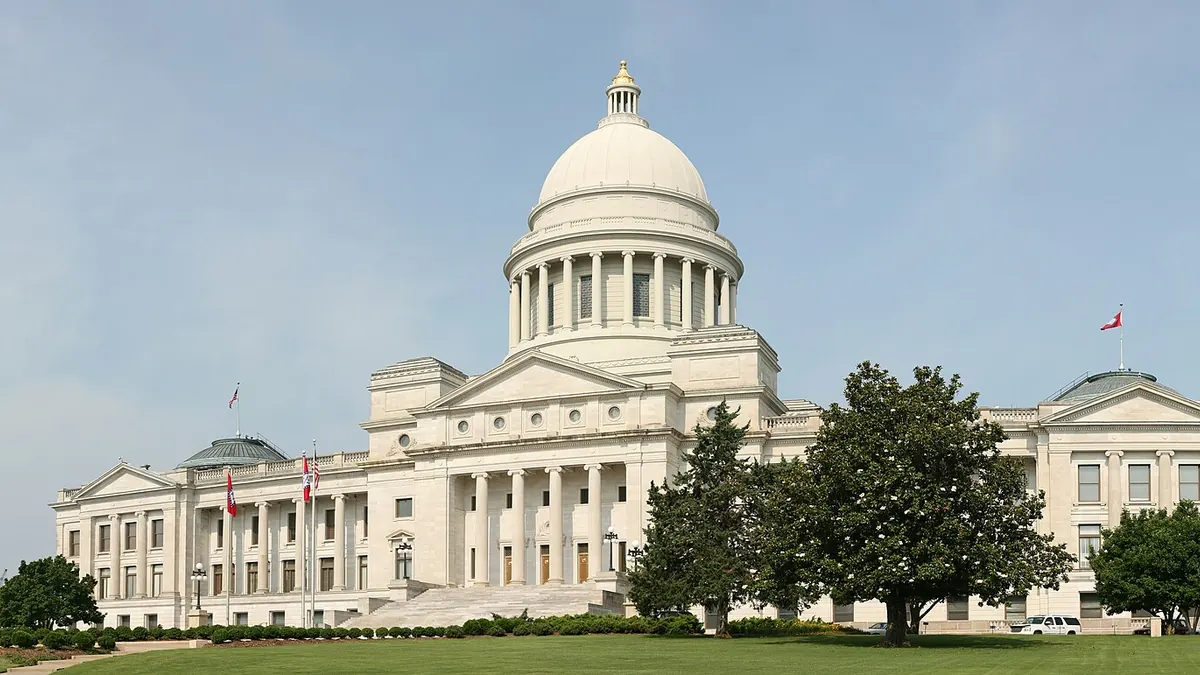 ARArkansasState licensing hub →
 CACaliforniaState licensing hub →
 COColoradoState licensing hub →
 CTConnecticutState licensing hub →
 DEDelawareState licensing hub →
 FLFloridaState licensing hub →
 GAGeorgiaState licensing hub →
 HIHawaiiState licensing hub →
 IDIdahoState licensing hub →
 ILIllinoisState licensing hub →
 INIndianaState licensing hub →
 IAIowaState licensing hub →
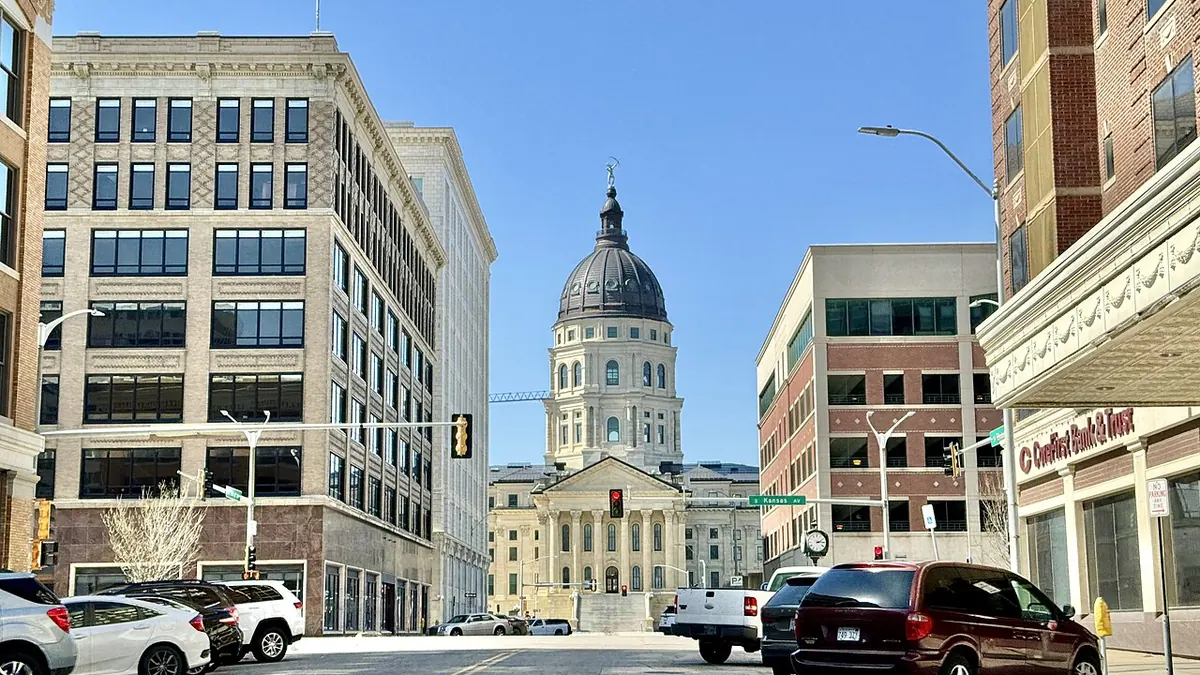 KSKansasState licensing hub →
 KYKentuckyState licensing hub →
 LALouisianaState licensing hub →
 MEMaineState licensing hub →
 MDMarylandState licensing hub →
 MAMassachusettsState licensing hub →
 MIMichiganState licensing hub →
 MNMinnesotaState licensing hub →
 MSMississippiState licensing hub →
 MOMissouriState licensing hub →
 MTMontanaState licensing hub →
 NENebraskaState licensing hub →
 NVNevadaState licensing hub →
 NHNew HampshireState licensing hub →
 NJNew JerseyState licensing hub →
 NMNew MexicoState licensing hub →
 NYNew YorkState licensing hub →
 NCNorth CarolinaState licensing hub →
 NDNorth DakotaState licensing hub →
 OHOhioState licensing hub →
 OKOklahomaState licensing hub →
 OROregonState licensing hub →
 PAPennsylvaniaState licensing hub →
 RIRhode IslandState licensing hub →
 SCSouth CarolinaState licensing hub →
 SDSouth DakotaState licensing hub →
 TNTennesseeState licensing hub →
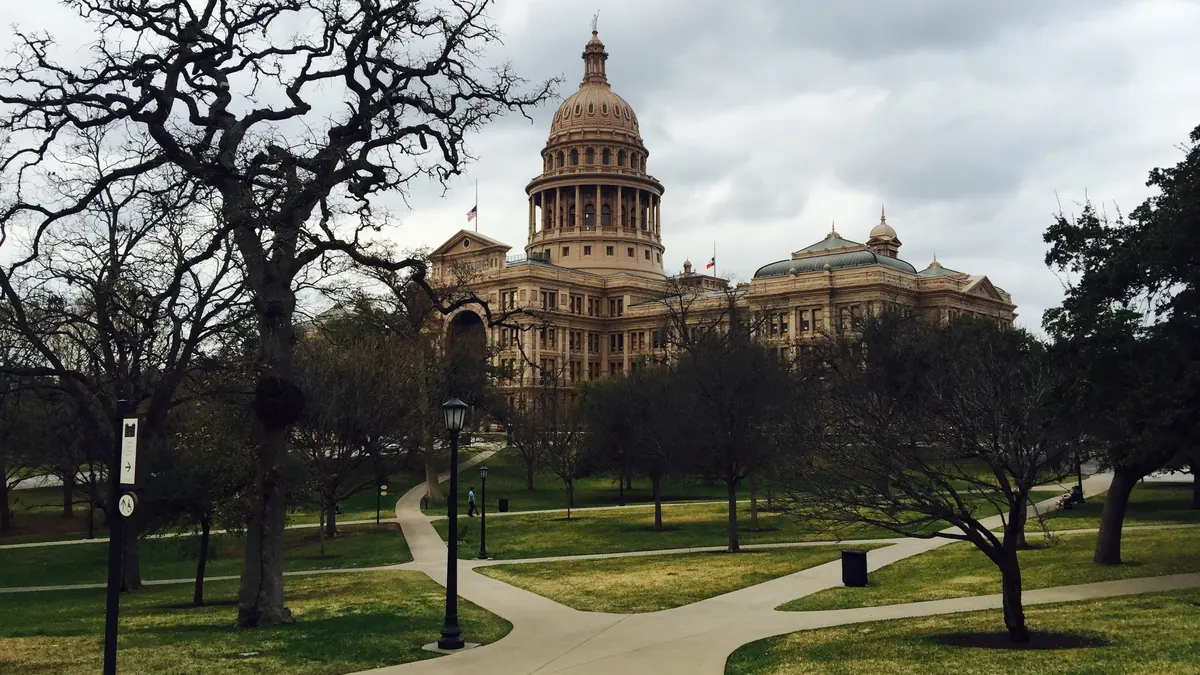 TXTexasState licensing hub →
 UTUtahState licensing hub →
 VTVermontState licensing hub →
 VAVirginiaState licensing hub →
 WAWashingtonState licensing hub →
 WVWest VirginiaState licensing hub →
 WIWisconsinState licensing hub →
 WYWyomingState licensing hub →
Choose the question that best matches where you are in the process.
Identify registration and licensing agencies for your activity.
Understand sales tax registration and related state requirements.
Check city and county rules, zoning, and operating permits.
Review requirements for regulated business activities.
Use this checklist to prepare, then confirm the exact rules with the agency for your state and license class.
Confirm the exact license, permit, endorsement, or professional level you need.
Check age, education, experience, training, residency, and other eligibility rules that apply.
Look for separate education or training costs, examination charges, background checks, application fees, and initial issuance fees. Do not assume one fee covers the full process.
Before you apply, identify the renewal cycle, continuing education rules, renewal fee, and any deadline or reporting requirement.
The final checklist comes from your state agency, but applicants are commonly asked for some combination of the following:
Yes. Eligibility, approved education, exams, fees, application steps, and renewal rules are set by state or local authorities and may differ substantially.
Use a general checklist to prepare, but follow the instructions for your specific state, credential type, and applicant status. Out-of-state applicants and people upgrading a credential may follow different paths.
Use the official state licensing board or agency. Check the current fee schedule, forms, exam provider, renewal date, and any applicant-specific instructions before paying or submitting documents.
Requirements, fees, forms, testing rules, and application decisions can change. Confirm current details with the responsible government department, licensing board, or local authority before acting.