Identify the trade and work scope
Electrical, plumbing, HVAC, and general contracting can have different licensing boards, classifications, and exemptions. The type and value of work may affect which credential is required.
Independent resource: USLicenseInfo is not a government agency and does not issue licenses or permits. We organize licensing information for research; the responsible government agency is the final authority for current requirements.
Read disclaimerExplore licensing pathways for electricians, plumbers, HVAC professionals, and contractors, including experience, exams, and renewal.

Trade licensing often separates supervised apprentices, qualified journeymen, master tradespeople, and contractors responsible for projects or businesses. Titles and legal scopes are not identical in every state, and city or county rules may add requirements.
Electrical, plumbing, HVAC, and general contracting can have different licensing boards, classifications, and exemptions. The type and value of work may affect which credential is required.
Authorities may require apprenticeship completion, verified work hours, employer statements, education, or experience under a licensed professional.
Technical exams may be paired with business or law exams. Contractor applicants may also need insurance, a bond, financial disclosures, or a qualifying individual.
Check renewal education, permits for individual projects, inspections, insurance, and local registration rules before accepting work.
Costs can include trade school or apprenticeship expenses, examination fees, applications, licensing, bond premiums, insurance, permits, and renewals. Contractor business costs may be separate from an individual trade license.
Trade and contractor licenses are often jurisdiction-specific. Before taking work across state or municipal lines, confirm reciprocity, project permits, classification limits, and whether a separate business registration is required.
Not necessarily. License classifications and permitted scopes vary; specialized electrical, plumbing, HVAC, or other work may require separate credentials.
Some jurisdictions allow alternatives, while others specify required coursework or apprenticeship. Check the exact board rules for your classification.
A license may be only one requirement. Project permits, inspections, insurance, bonding, and local rules can also apply.
Requirements and responsible agencies can differ. Select a state to open its licensing hub, then follow the relevant guide and official source.
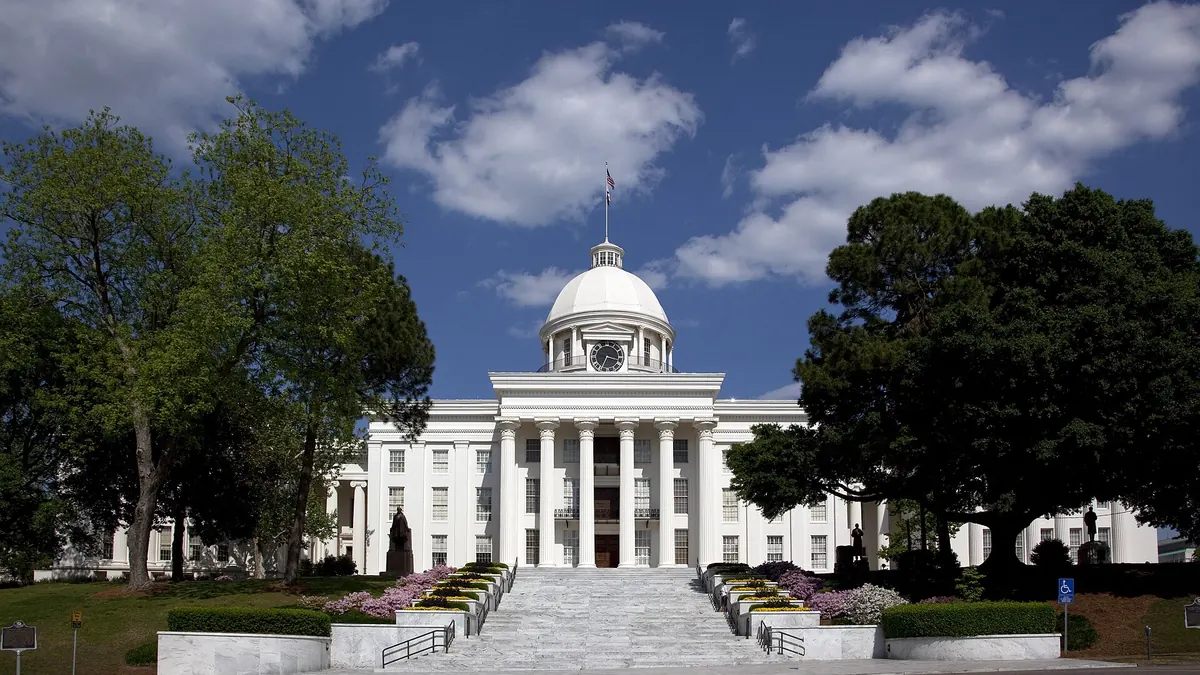 ALAlabamaState licensing hub →
 AKAlaskaState licensing hub →
 AZArizonaState licensing hub →
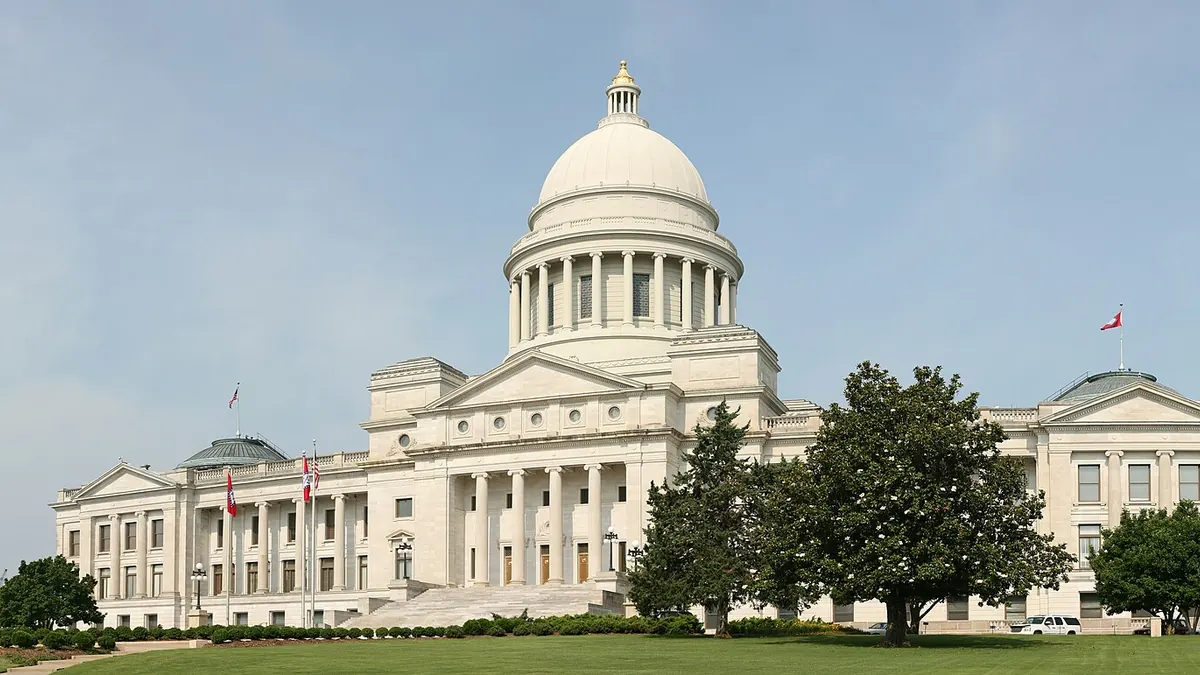 ARArkansasState licensing hub →
 CACaliforniaState licensing hub →
 COColoradoState licensing hub →
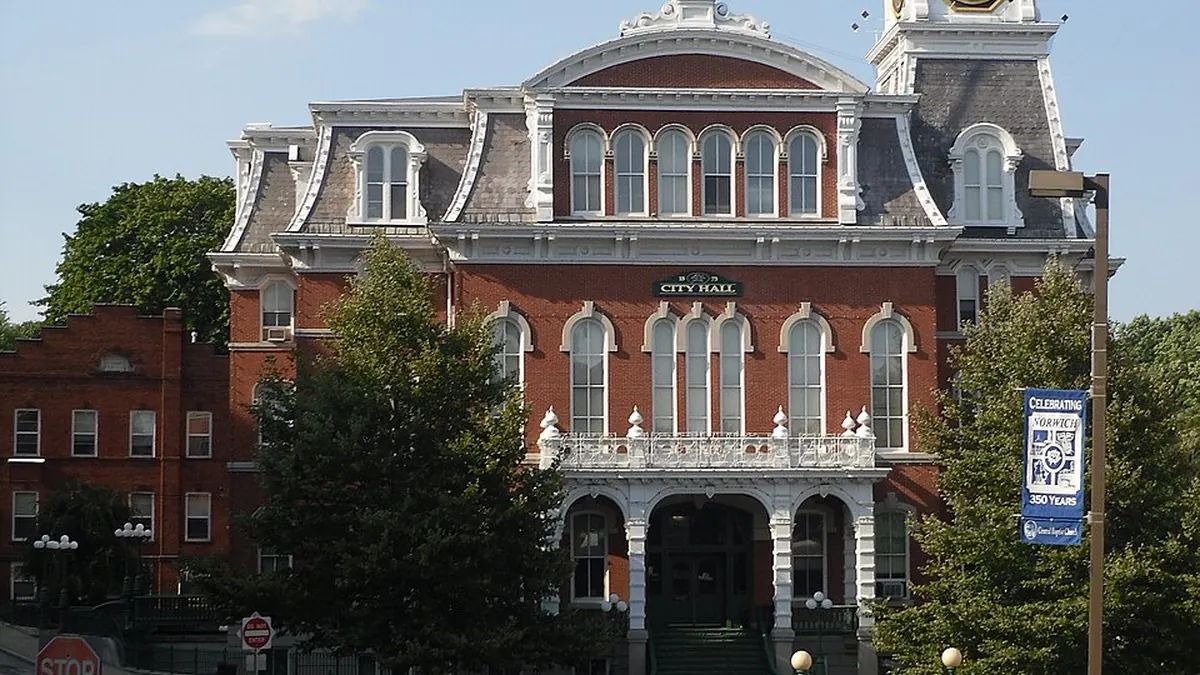 CTConnecticutState licensing hub →
 DEDelawareState licensing hub →
 FLFloridaState licensing hub →
 GAGeorgiaState licensing hub →
 HIHawaiiState licensing hub →
 IDIdahoState licensing hub →
 ILIllinoisState licensing hub →
 INIndianaState licensing hub →
 IAIowaState licensing hub →
 KSKansasState licensing hub →
 KYKentuckyState licensing hub →
 LALouisianaState licensing hub →
 MEMaineState licensing hub →
 MDMarylandState licensing hub →
 MAMassachusettsState licensing hub →
 MIMichiganState licensing hub →
 MNMinnesotaState licensing hub →
 MSMississippiState licensing hub →
 MOMissouriState licensing hub →
 MTMontanaState licensing hub →
 NENebraskaState licensing hub →
 NVNevadaState licensing hub →
 NHNew HampshireState licensing hub →
 NJNew JerseyState licensing hub →
 NMNew MexicoState licensing hub →
 NYNew YorkState licensing hub →
 NCNorth CarolinaState licensing hub →
 NDNorth DakotaState licensing hub →
 OHOhioState licensing hub →
 OKOklahomaState licensing hub →
 OROregonState licensing hub →
 PAPennsylvaniaState licensing hub →
 RIRhode IslandState licensing hub →
 SCSouth CarolinaState licensing hub →
 SDSouth DakotaState licensing hub →
 TNTennesseeState licensing hub →
 TXTexasState licensing hub →
 UTUtahState licensing hub →
 VTVermontState licensing hub →
 VAVirginiaState licensing hub →
 WAWashingtonState licensing hub →
 WVWest VirginiaState licensing hub →
 WIWisconsinState licensing hub →
 WYWyomingState licensing hub →
Choose the question that best matches where you are in the process.
Check apprentice, journeyman, and master-level pathways.
Review training, experience, exams, and local rules.
Identify state and local requirements for heating and cooling work.
Check classifications, experience, bonding, insurance, and renewal.
Use this checklist to prepare, then confirm the exact rules with the agency for your state and license class.
Confirm the exact license, permit, endorsement, or professional level you need.
Check age, education, experience, training, residency, and other eligibility rules that apply.
Look for separate education or training costs, examination charges, background checks, application fees, and initial issuance fees. Do not assume one fee covers the full process.
Before you apply, identify the renewal cycle, continuing education rules, renewal fee, and any deadline or reporting requirement.
The final checklist comes from your state agency, but applicants are commonly asked for some combination of the following:
Yes. Eligibility, approved education, exams, fees, application steps, and renewal rules are set by state or local authorities and may differ substantially.
Use a general checklist to prepare, but follow the instructions for your specific state, credential type, and applicant status. Out-of-state applicants and people upgrading a credential may follow different paths.
Use the official state licensing board or agency. Check the current fee schedule, forms, exam provider, renewal date, and any applicant-specific instructions before paying or submitting documents.
Requirements, fees, forms, testing rules, and application decisions can change. Confirm current details with the responsible government department, licensing board, or local authority before acting.